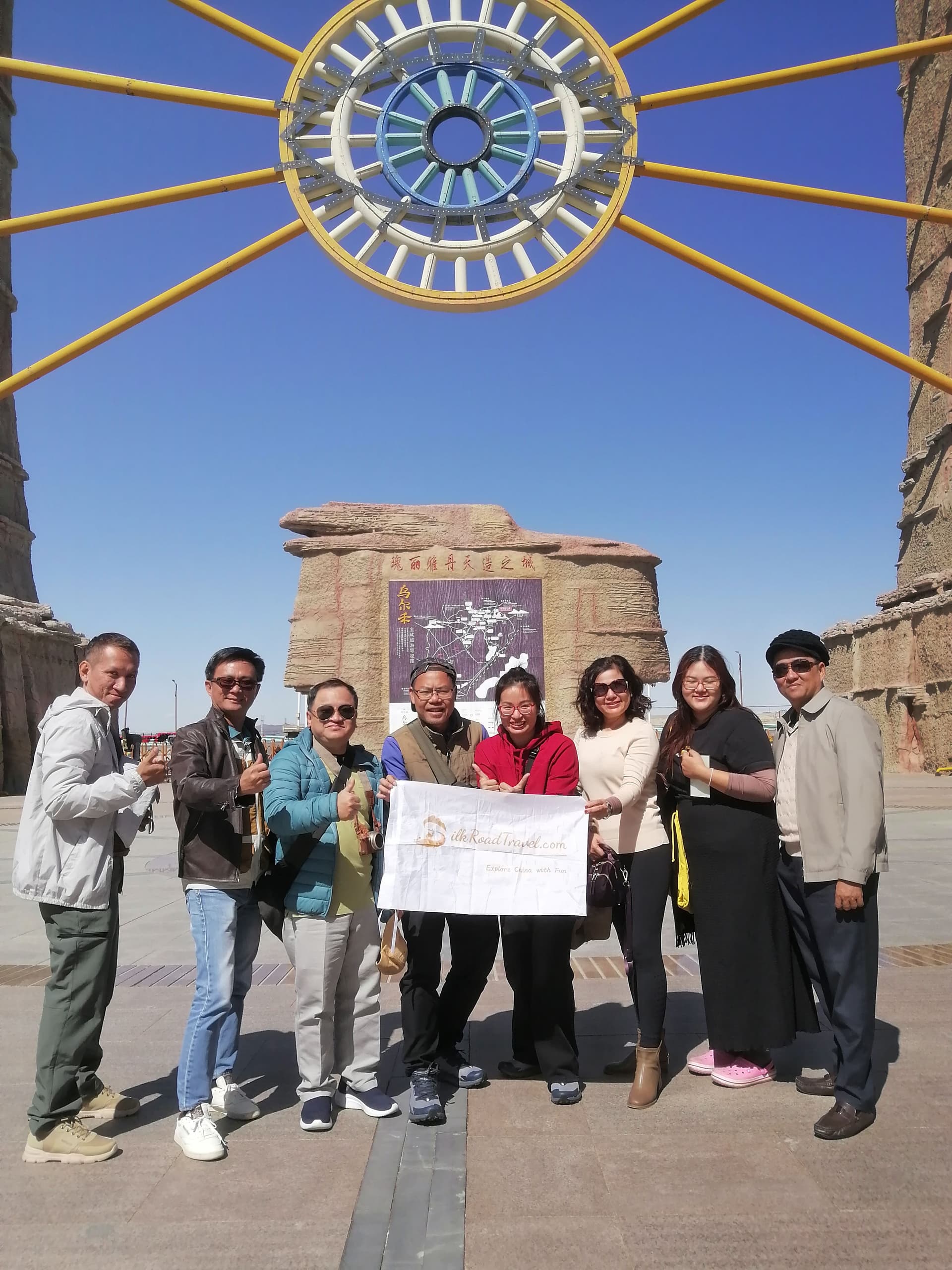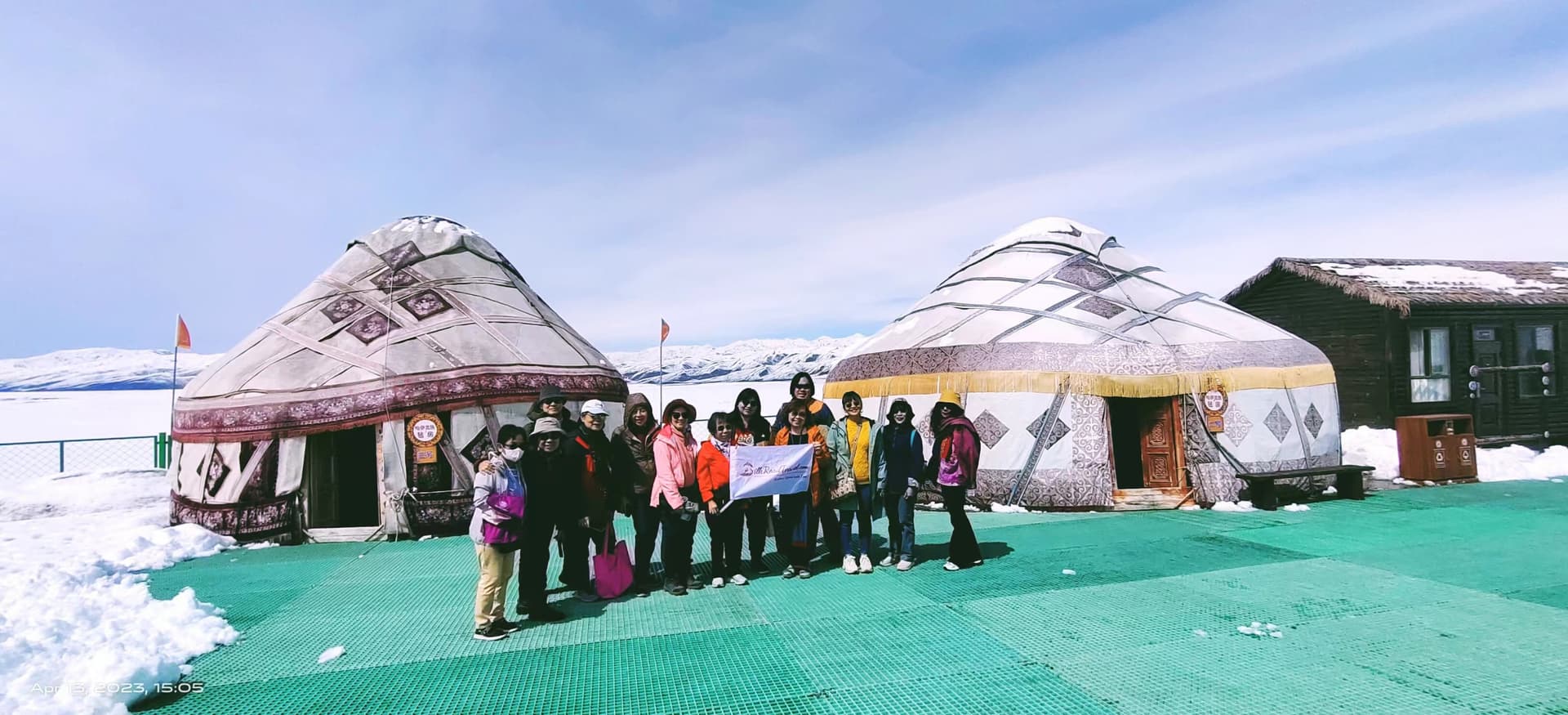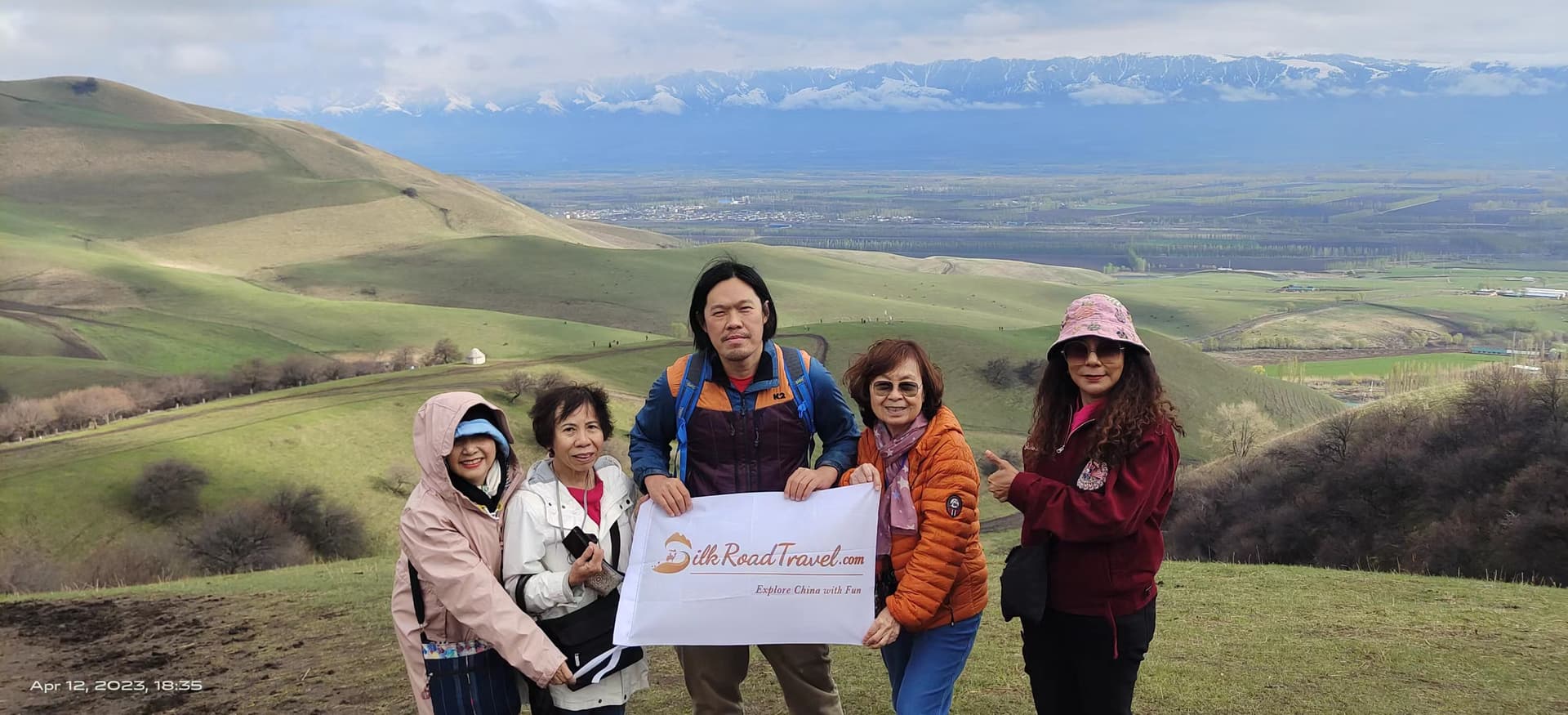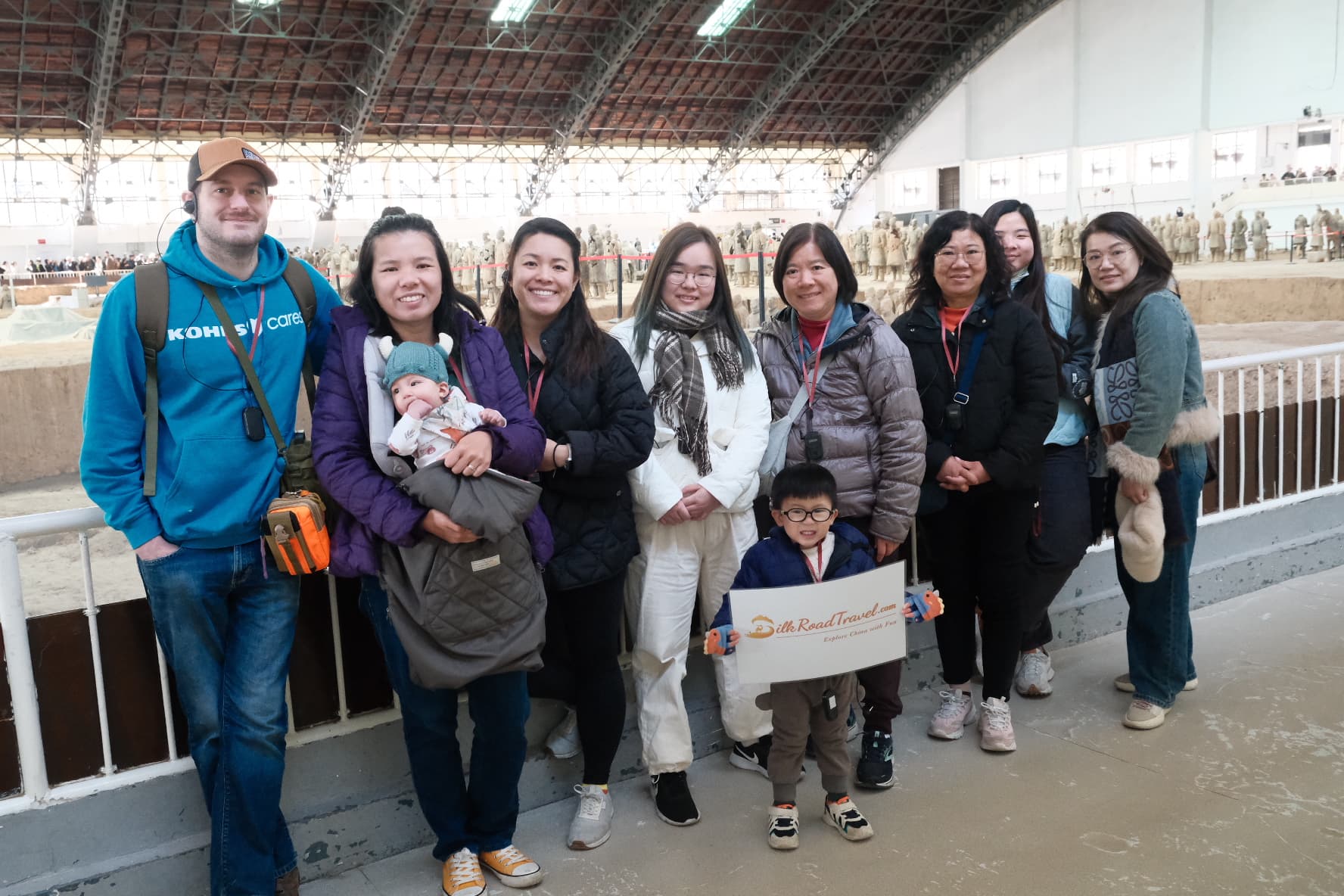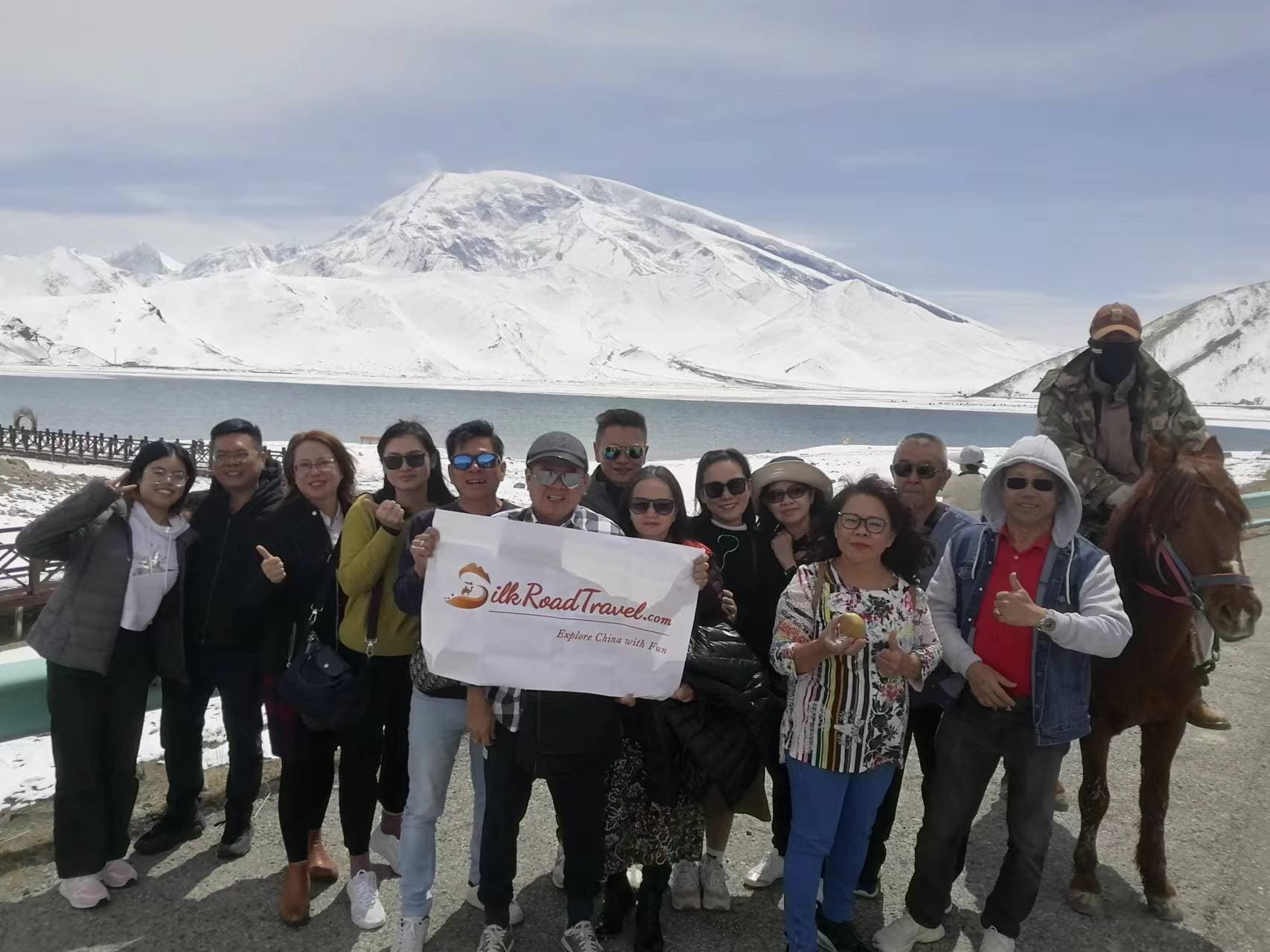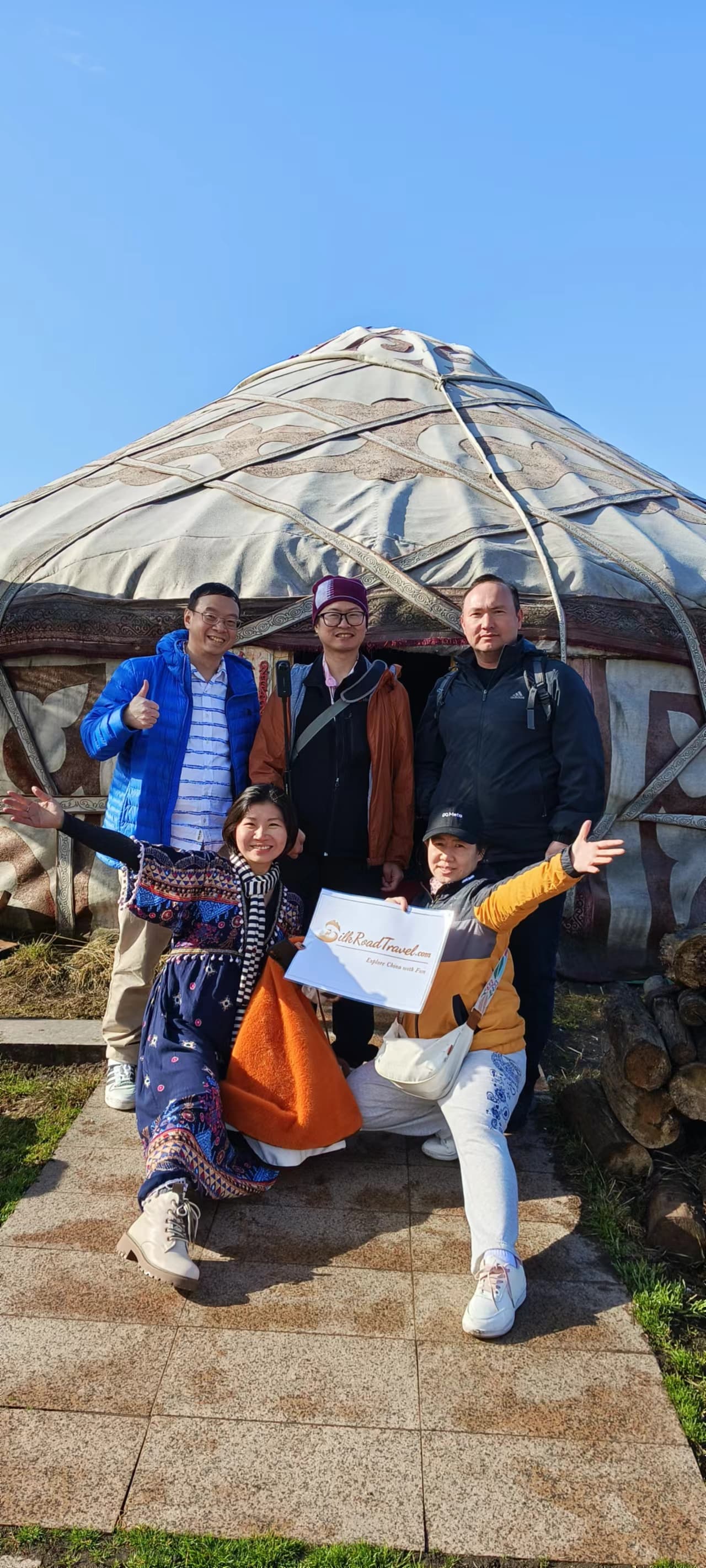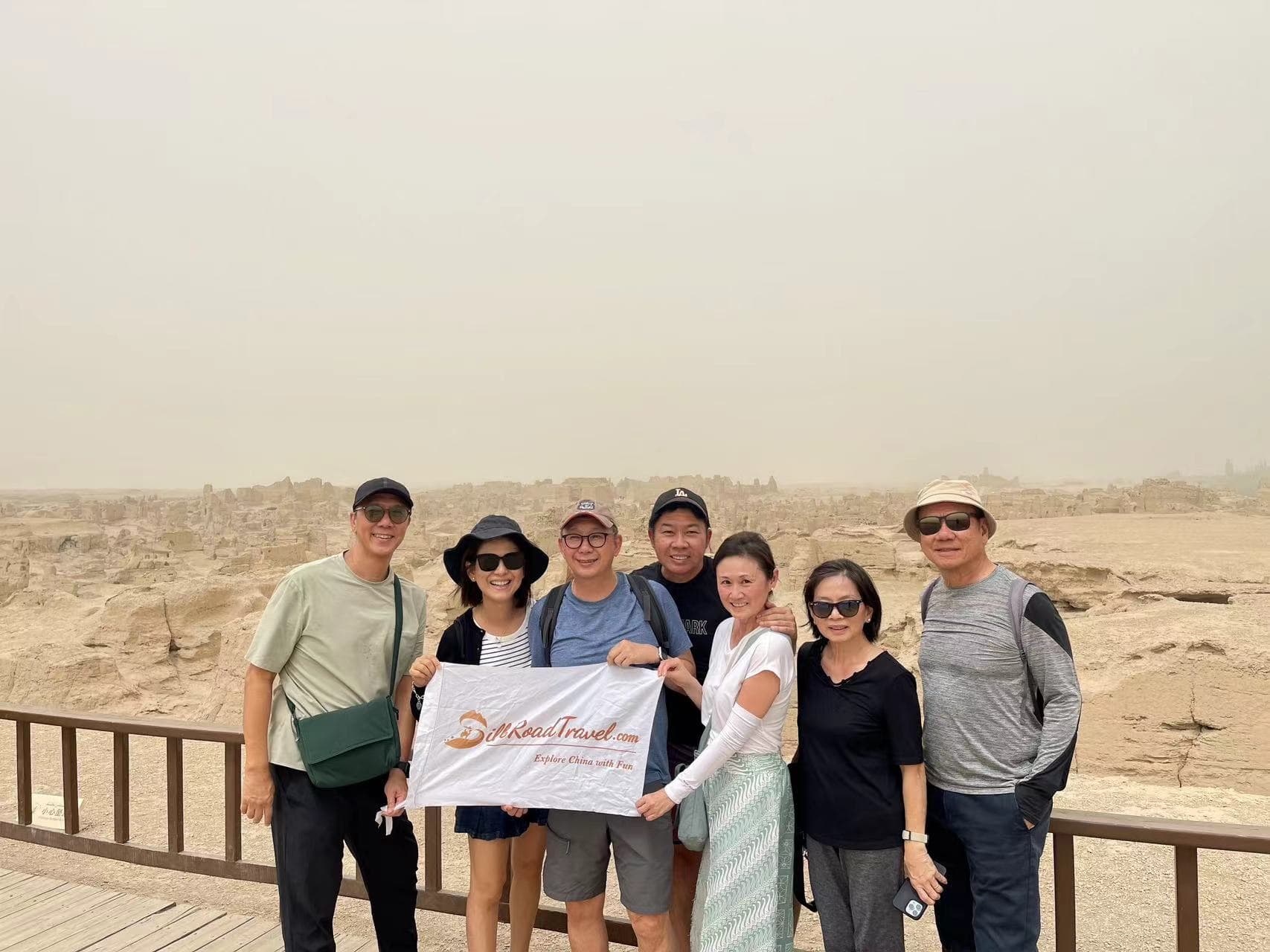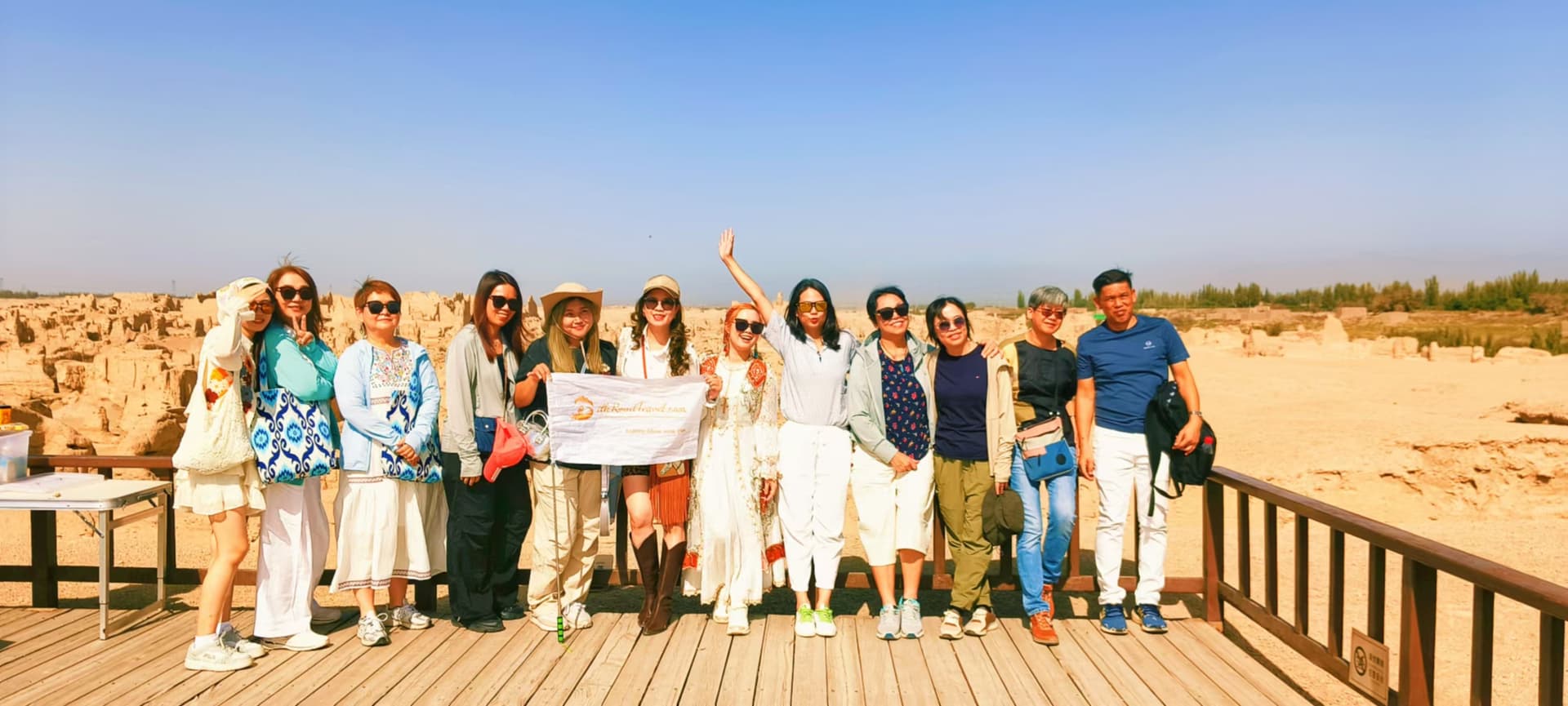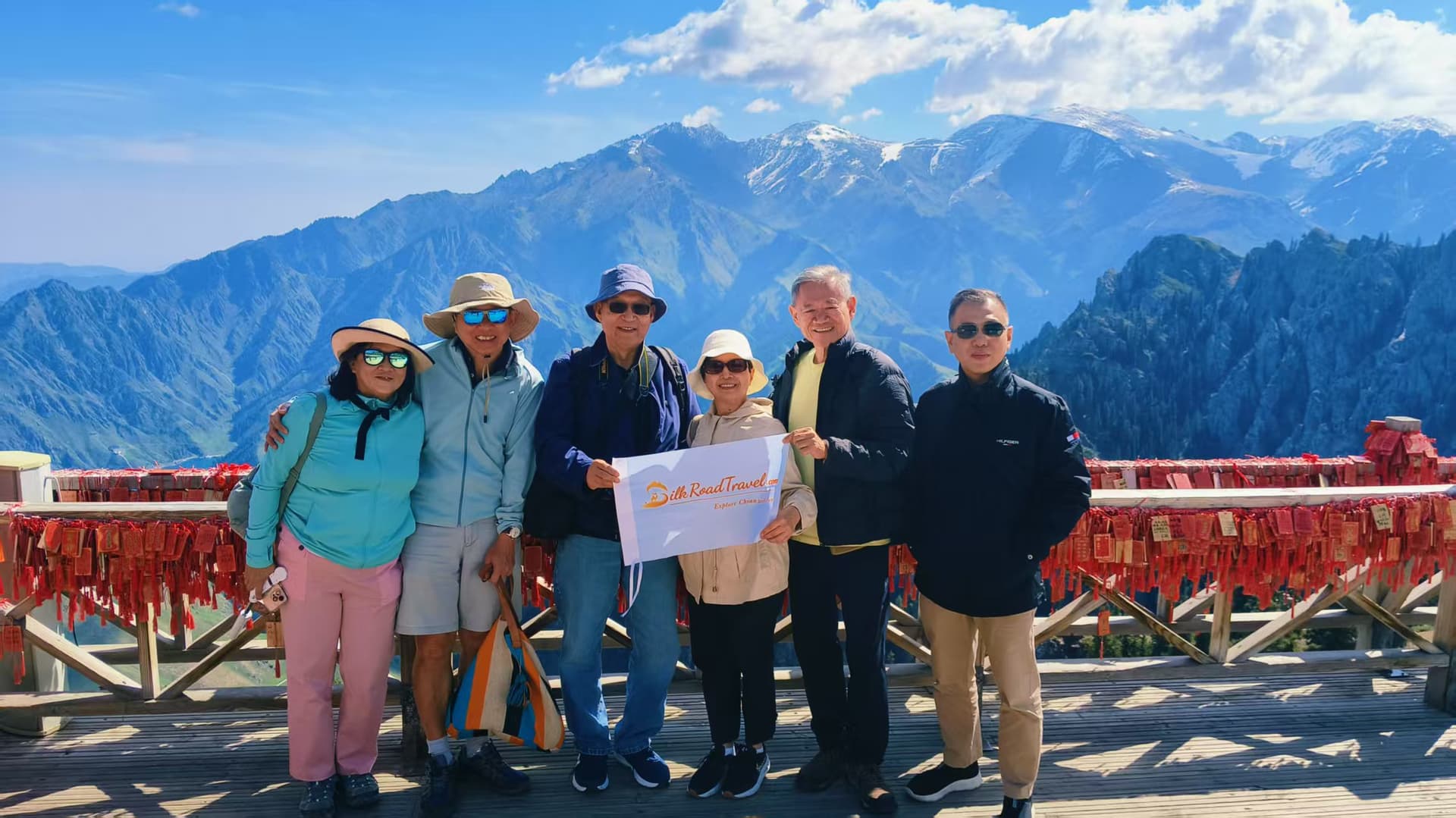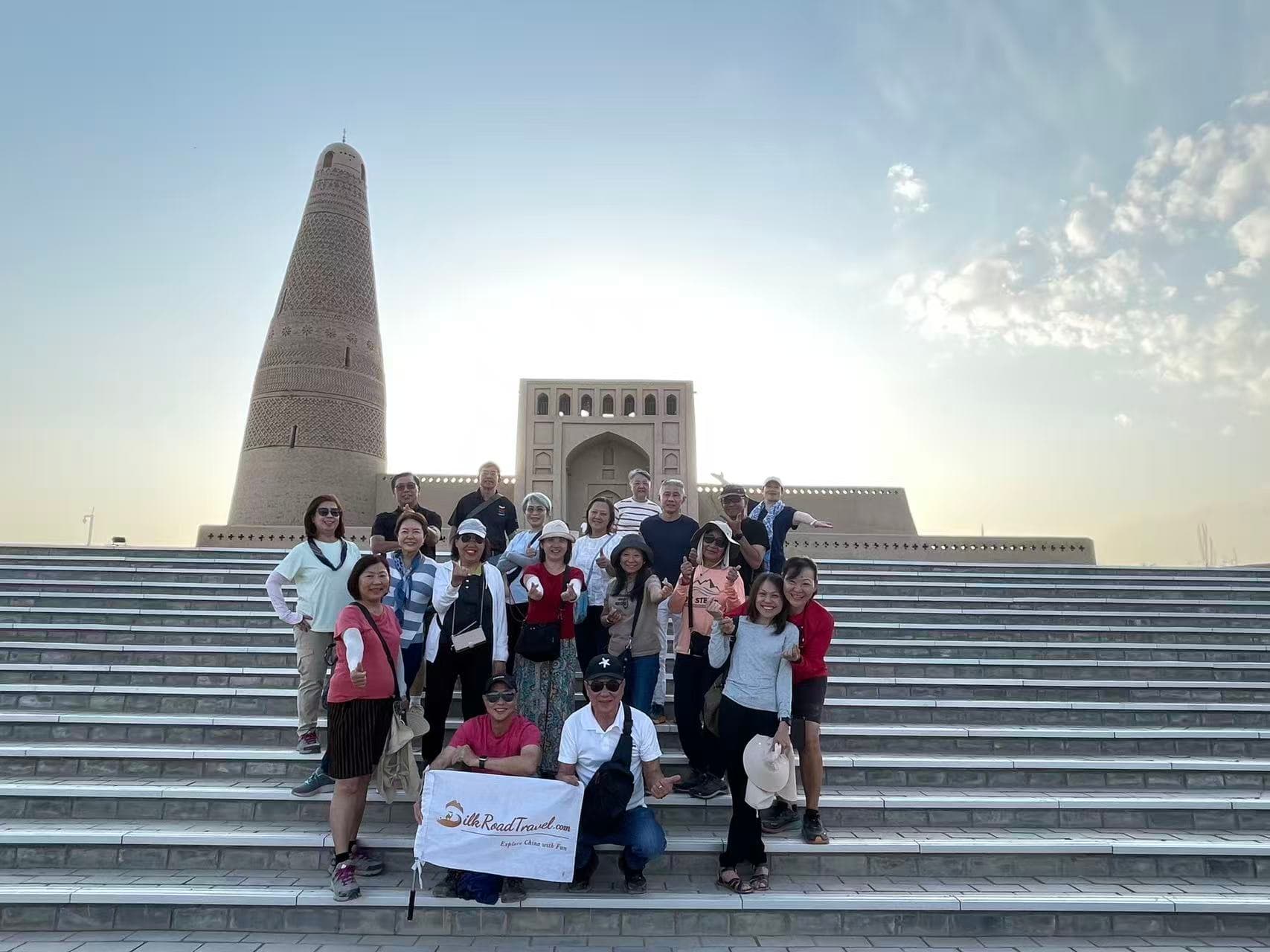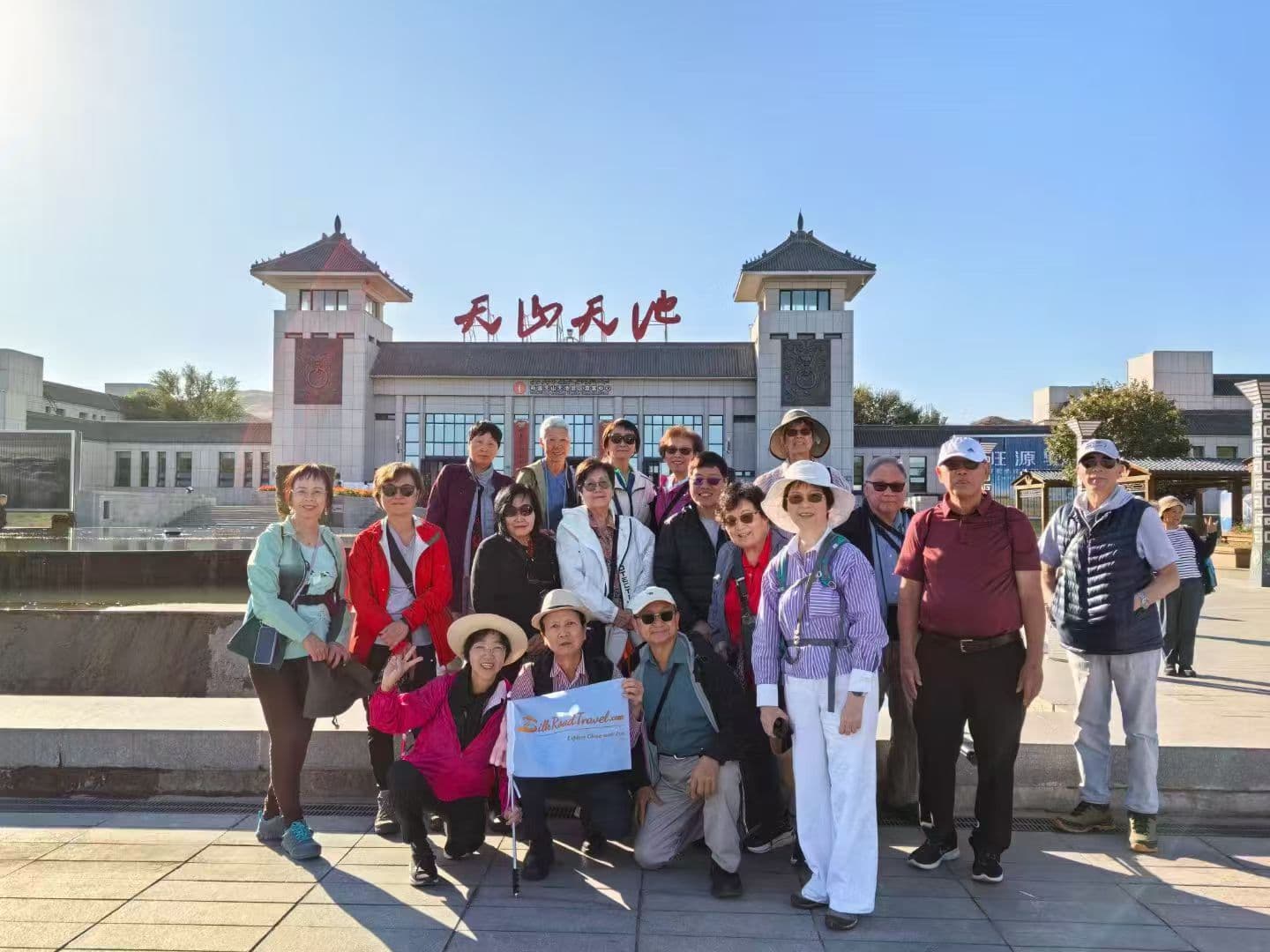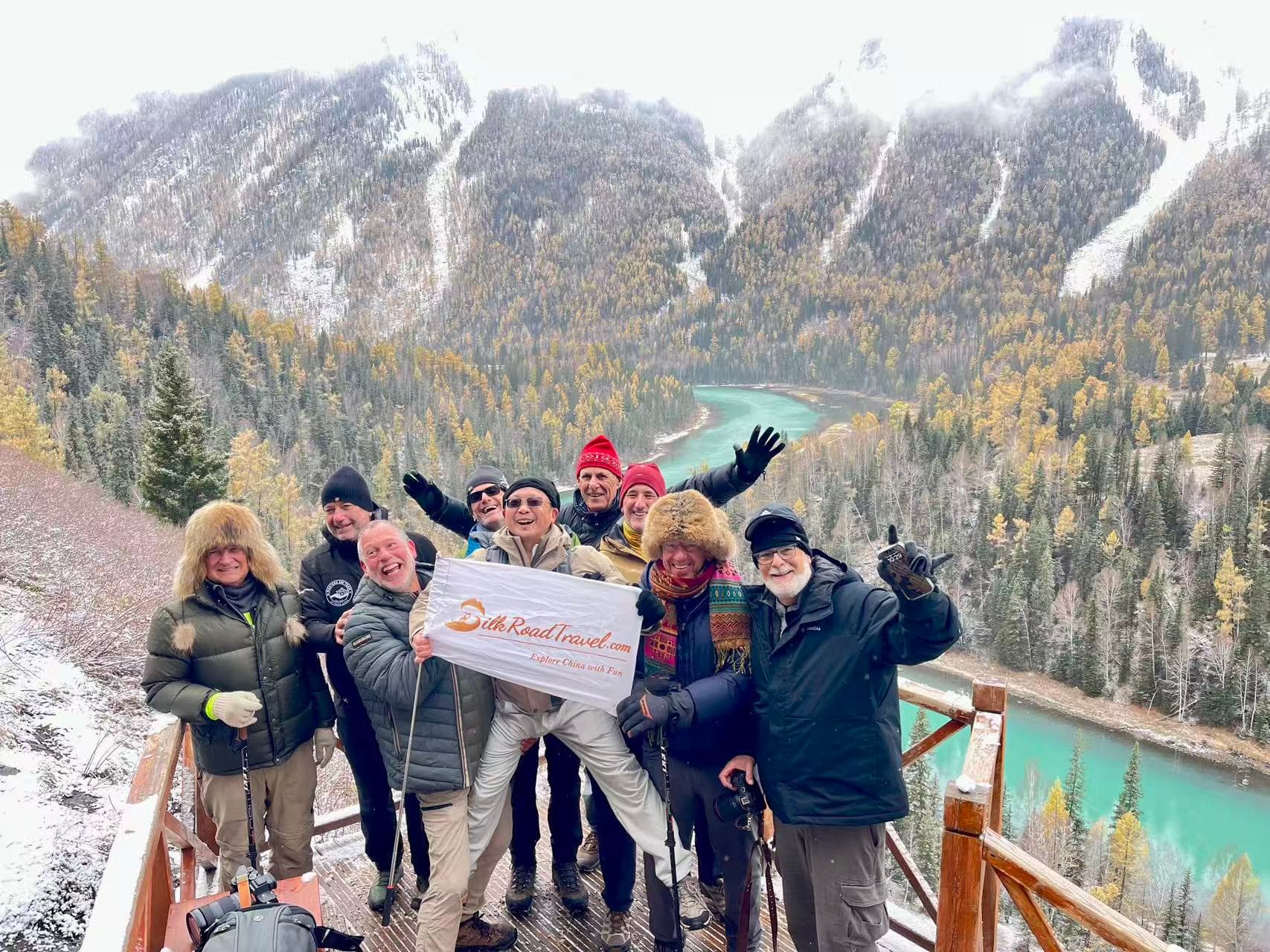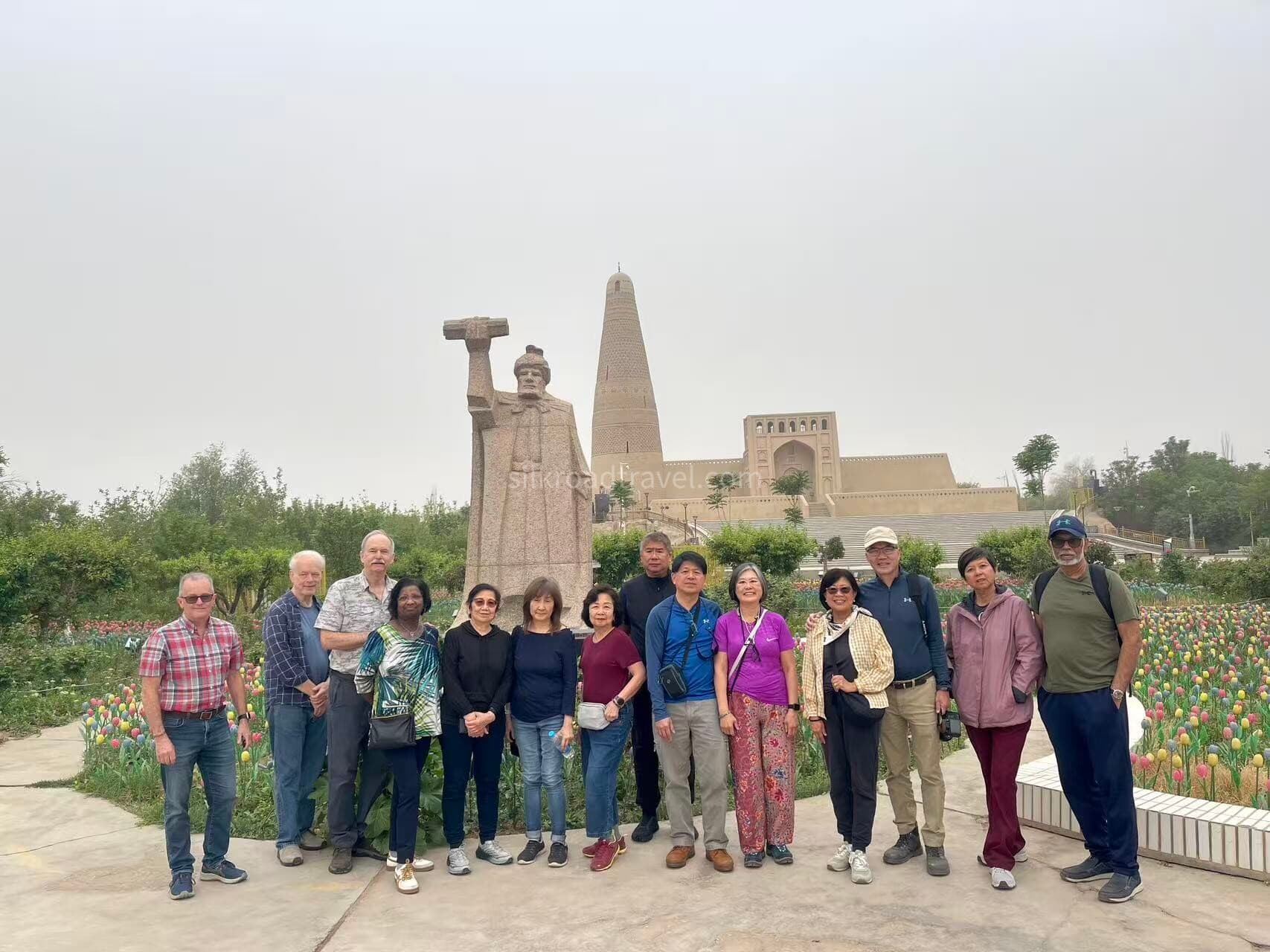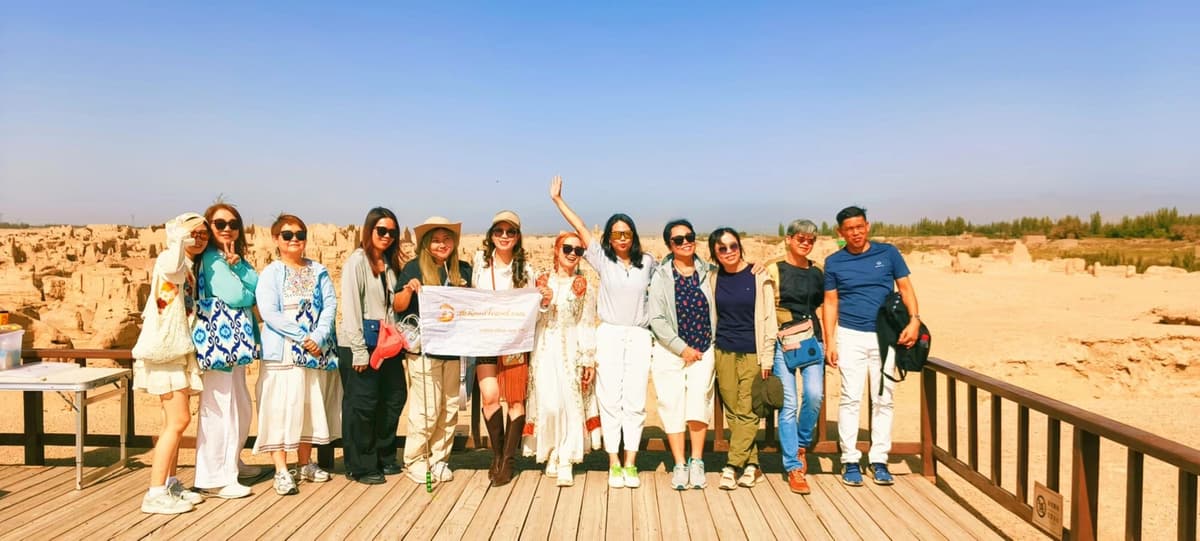
Our guests are having fun with Silkroad Travel in Loulan Ancient Ruins
Basic information of the Silkroad:
Wondering if the Silk Road is safe to travel in 2026? For most tourists exploring the route's core sections — including China's Shaanxi, Gansu and Xinjiang regions, plus major cities in Central Asia — the answer is yes. With mature tourism infrastructure, stable public security and updated entry policies, the ancient trade route is more accessible to international travelers than ever in this year.
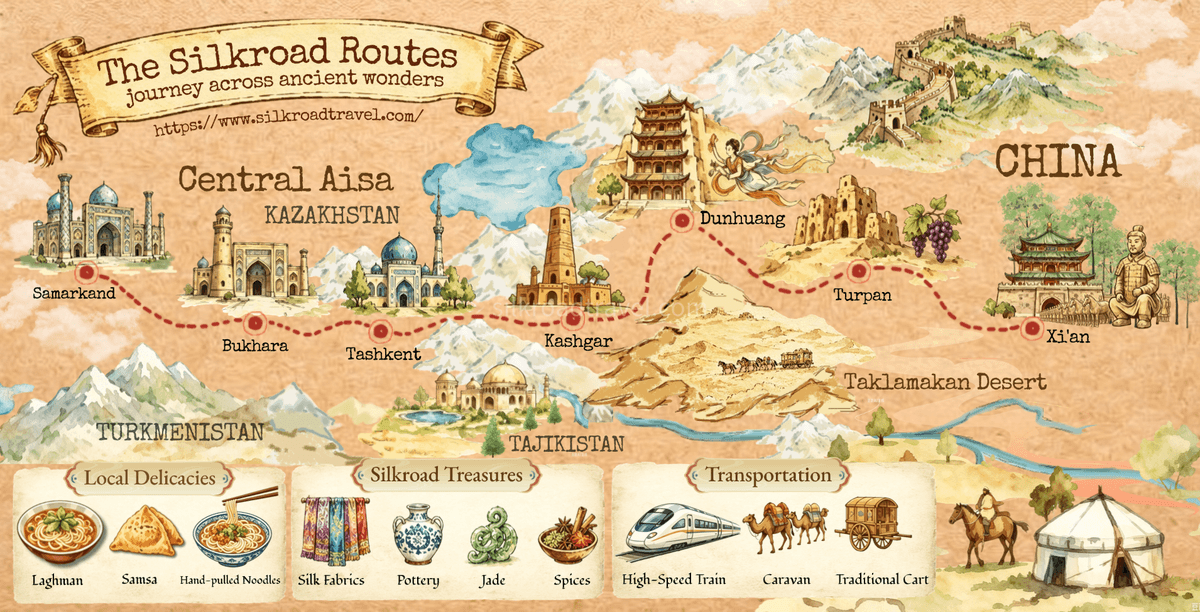
The Brief Travel Itinerary for First Travelers to the Silk Road
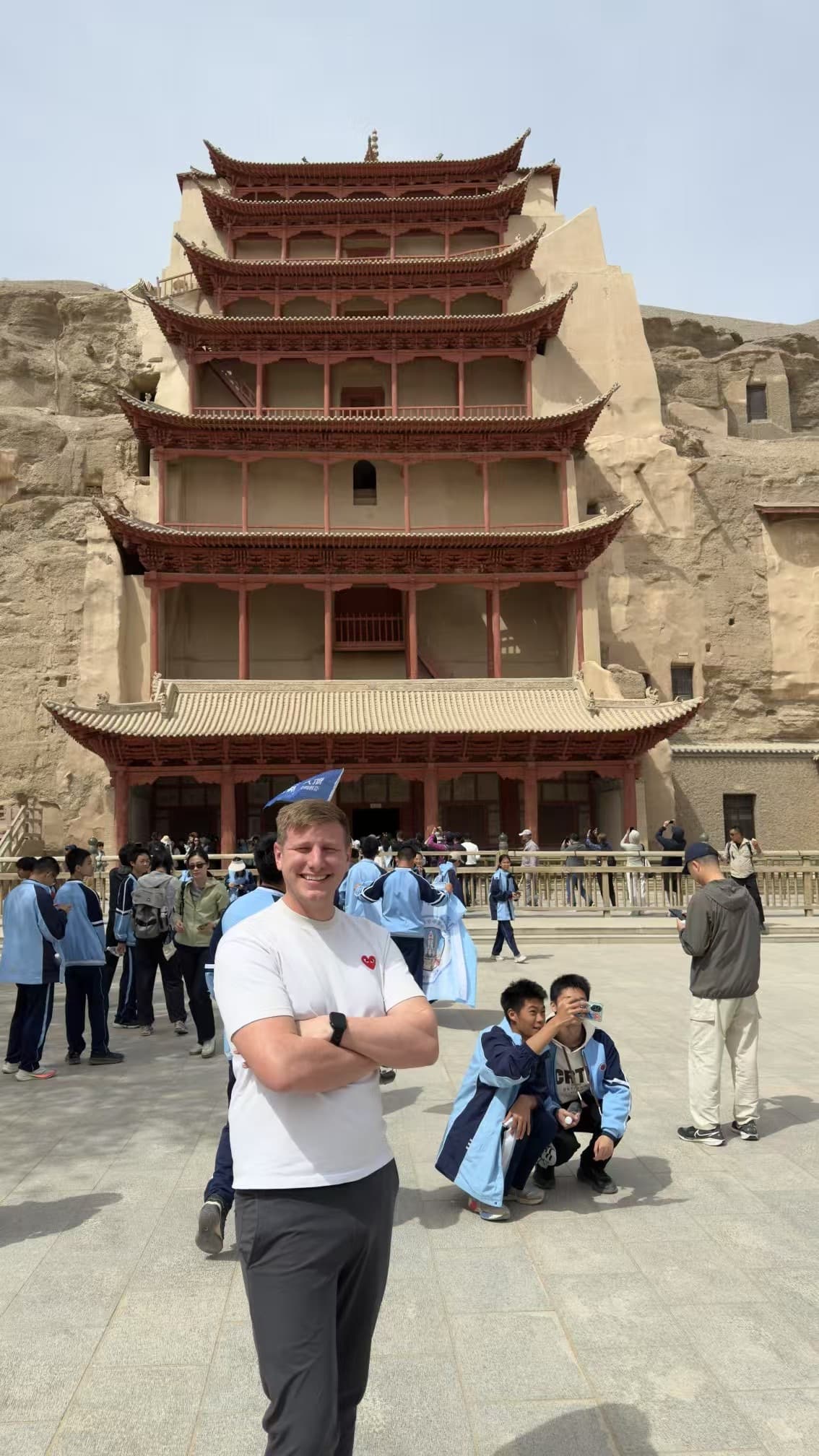
The Silk Road connects Central Asian countries like Kazakhstan, Kyrgyzstan, Tajikistan, Turkmenistan, and Uzbekistan. Starting in Xi'an (ancient Chang'an) in central China, the route runs through Gansu Province's Hexi Corridor, passes landmark sites like Dunhuang's Mogao Grottoes, then crosses the vast deserts and oases of Xinjiang. After crossing the Pamir Mountains, it extends into Central Asian countries including Kazakhstan and Uzbekistan, and eventually reaches West Asia and Europe.
Silk Road Developments in 2026
2026 marks a year of major upgrades for Silk Road tourism, with new policies and facilities making the route smoother and more attractive for international visitors.

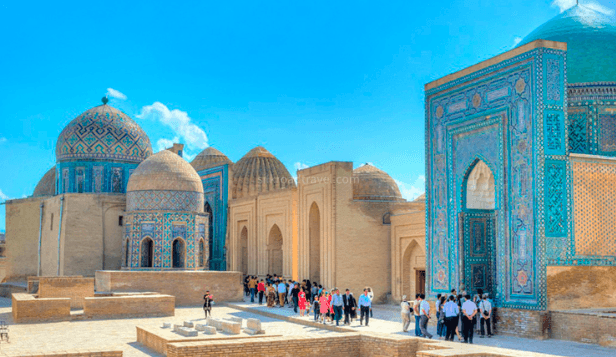
First, the UN Tourism launched a dedicated Silk Road Tourism Office in Samarkand, Uzbekistan, to coordinate cross-border route development, joint promotion and sustainable tourism practices across the region. A new large-scale Silk Road Museum is also under construction in Samarkand, set to become a key cultural landmark for the route.
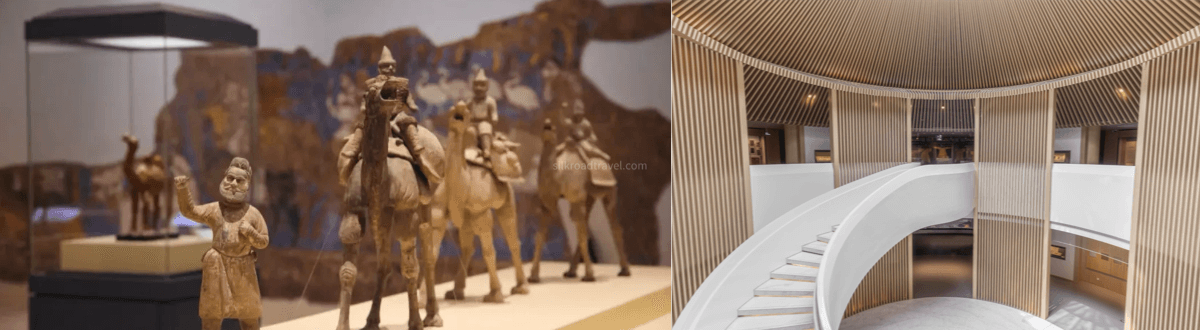
In China, northwest provinces are ramping up inbound tourism services. Xinjiang hosted an international travel mart in 2026, inviting dozens of global tour operators to explore local routes. Major scenic areas have upgraded English signage and multilingual guide services to better serve overseas guests.
Most notably, visa convenience has improved greatly. China's unilateral visa-free policy for 50 countries covers most European, Oceanian and Asian travelers, while Central Asian nations have also simplified entry rules — making cross-border Silk Road trips far easier to arrange.
Health and Safety
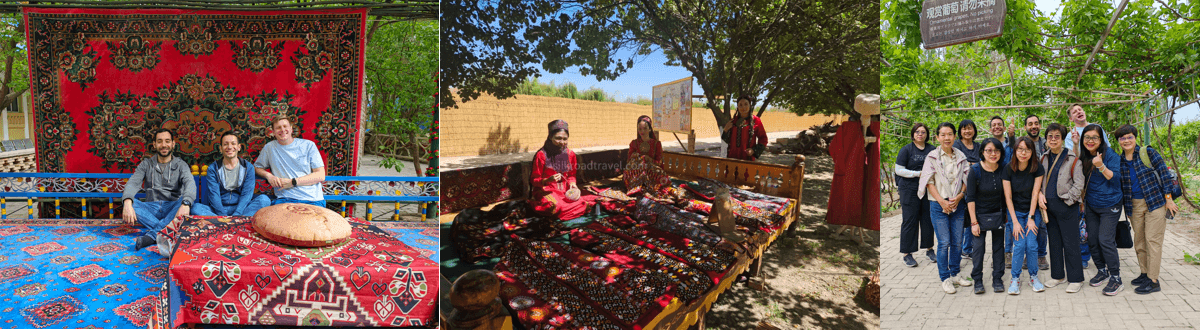
Public security along the main Silk Road tourist routes is reliably stable for travelers. In Xinjiang, major cities and scenic spots have comprehensive security systems in place, and the area consistently ranks high in public safety satisfaction. Solo travelers and female visitors can safely explore cities, night markets and attractions during both day and evening hours. In Central Asia, major tourist cities also maintain good public security; standard precautions like using licensed hotels and avoiding isolated areas at night are sufficient.
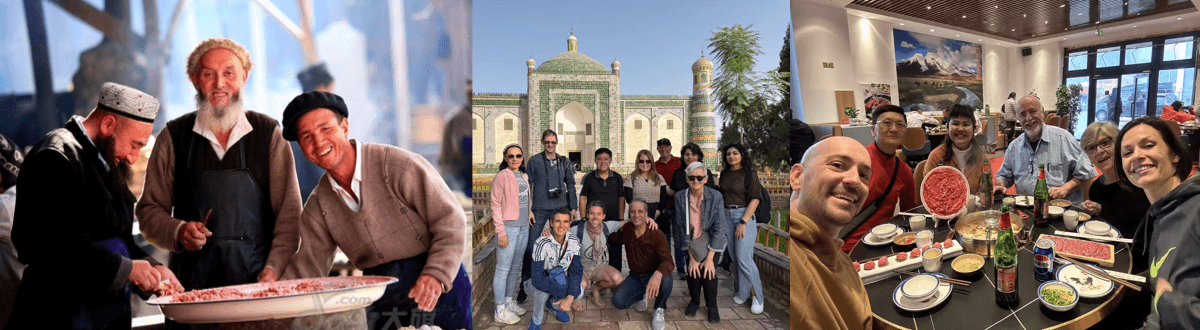
For Muslim travelers, Xinjiang and Central Asia are extremely welcoming. The region has a large Muslim population, with abundant mosques and halal dining options, and local religious customs are fully respected. Simply follow standard etiquette when entering religious sites, such as covering shoulders and knees.
Languages of the Silk Road
Mandarin Chinese is the official language across the China section, while Uyghur, Kazakh and other ethnic languages are widely spoken in Xinjiang. In major cities, four-star and above hotels, and popular scenic spots, English service is widely available, and most attractions have English signage and audio guides. For a smoother trip, download an offline translation app ahead of time, and save the local language address of your hotel and key attractions. Learning a few basic greeting phrases will also go a long way with local residents.
Travel Tips of the Silk Road
For health considerations, note three key risks:
Altitude sickness: Areas like the Pamir Plateau and some Tianshan sites sit 3,000–4,000m above sea level. Acclimatize gradually, carry basic medication, and descend if symptoms worsen.
Extreme heat: Summer temperatures in Turpan can exceed 45°C. Avoid outdoor activities at midday, stay hydrated, and use sun protection.
Food hygiene: Stick to busy, reputable restaurants, drink bottled water, and carry over-the-counter stomach remedies for travel-related upset.
Frequently Asked Questions About The Silk Road Travel
Q: Is it safe to travel the Silk Road in 2026?
A: Yes. The main tourist sections of the Silk Road — including China's Shaanxi, Gansu, Xinjiang and major Central Asian cities — are generally safe for travelers in 2026, with well-developed tourism facilities and stable public security. Standard travel precautions are enough for most visitors.
Q: Is Xinjiang safe for foreign travelers?
A: Xinjiang is one of the safest regions in China for tourists. Major cities and scenic spots have complete security facilities, and local residents are welcoming to visitors. Foreign travelers with valid documents can freely visit most tourist areas.
Q: Is Xinjiang safe for Muslim travelers?
A: Absolutely. Xinjiang has a large Muslim population, with plentiful mosques and halal dining options across the region. Local religious customs are fully respected. Muslim travelers can visit comfortably by following basic etiquette when entering religious sites.
Q: Are there travel restrictions in Xinjiang?
A: There are no special travel restrictions for foreign tourists in most parts of Xinjiang. Only a few border counties like Tashkurgan require a border permit, which is a routine border management rule that applies to all travelers.
Q: Do I need a visa to travel the Silk Road in China?
A: Passport holders from 50 countries (including most European nations, the UK, Canada, Australia and Japan) can travel to China visa-free for up to 30 days for tourism in 2026. Travelers from other countries such as the US need to apply for a tourist visa before departure.
Q: Can Europe citizens travel to the Silk Road in China?
A: Yes, All the foreign citizens are welcome to travel the Silk Road in China. You will need to apply for a Chinese L-type tourist visa at a Chinese embassy or consulate before your trip.
Q: Is the Silk Road worth visiting?
A: Definitely. The Silk Road combines UNESCO World Heritage sites, breathtaking desert and plateau landscapes, and diverse ethnic cultures. It offers a one-of-a-kind overland travel experience blending history, nature and folklore, making it one of the world's most iconic travel routes.
Q: What is the best time to travel the Silk Road?
A: The best seasons are spring (April–May) and autumn (September–October), with mild temperatures and pleasant weather. Summer is hot in desert areas but ideal for visiting alpine grasslands. Winter brings cold weather but offers lower prices and unique, crowd-free scenery.
Recommended Tour Itinerary
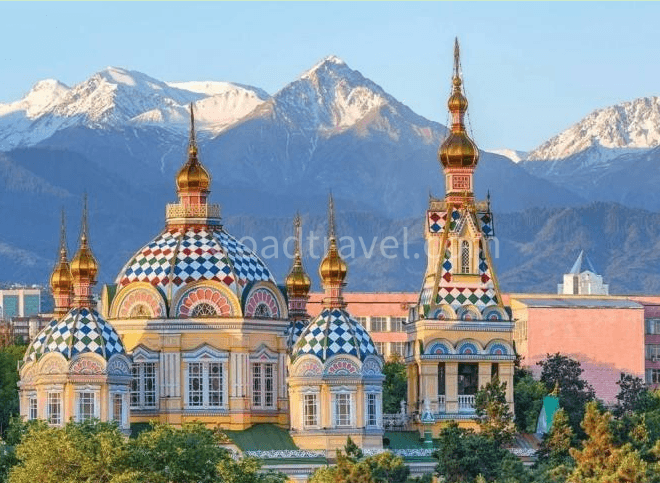 | Kashgar, Taxkorgan, Kuqa, Urumqi, Turpan, Dunhuang, Tashkent, Bukhara, Samarkand 19 Days Explore This Tour |
View More Click HERE